
Perspective · Brand · Design
Rebrand strategy: what to keep, what to change
A rebrand for a new audience fails when it throws away what the existing customers trust. Decide what to keep before you design what is new.

Halali grew up insuring the Czech hunting community, and that is still where its reputation sits. Then it set out to insure the wider public, people who have never held a hunting licence. The new audience wanted a modern, human insurer. The existing customers trusted the company precisely because it had not changed.
That tension sits inside almost every rebrand. A company changes because it wants to reach someone new. The people who already pay for it are the reason it can afford to.
Why rebrands overshoot
A rebrand is a rare, expensive moment, so the pressure is to make it visible. New name, new colours, new everything, and a launch that says "we've changed".
It is also easier than ever to overshoot. AI can generate a hundred logo directions in a minute, and every one of them is new. Possibility is not the scarce part any more. The scarce part is knowing which parts of the old brand carry trust, and protecting them while everything around them moves.
When a rebrand throws those parts away, existing customers see a company they don't recognise, and the new audience sees one more modern insurer that looks like the others.
Decide what to keep first
Before any design work, sort the brand into three groups. It starts as a conversation with the people who know the customers, before it becomes a design exercise.
What to keep, change and drop.
| Group | The question | Typical examples |
|---|---|---|
| Keep | What would existing customers miss, and why do they trust it? | A shape in the mark, a colour, a phrase, a way of speaking |
| Change | What does the new audience need to see or feel that it can’t today? | The promise, the tone of the headline, who appears in the imagery |
| Drop | What carries no trust and gets in the way? | Clutter, dated conventions, anything nobody would notice missing |
Sort before you sketch.
The keep list is usually shorter than people expect, and more specific. It is rarely "our heritage". More often it is one shape, one colour, one phrase or one way of speaking to customers that people would miss.
How Halali kept its trust
We built Halali's new identity on that sorting.
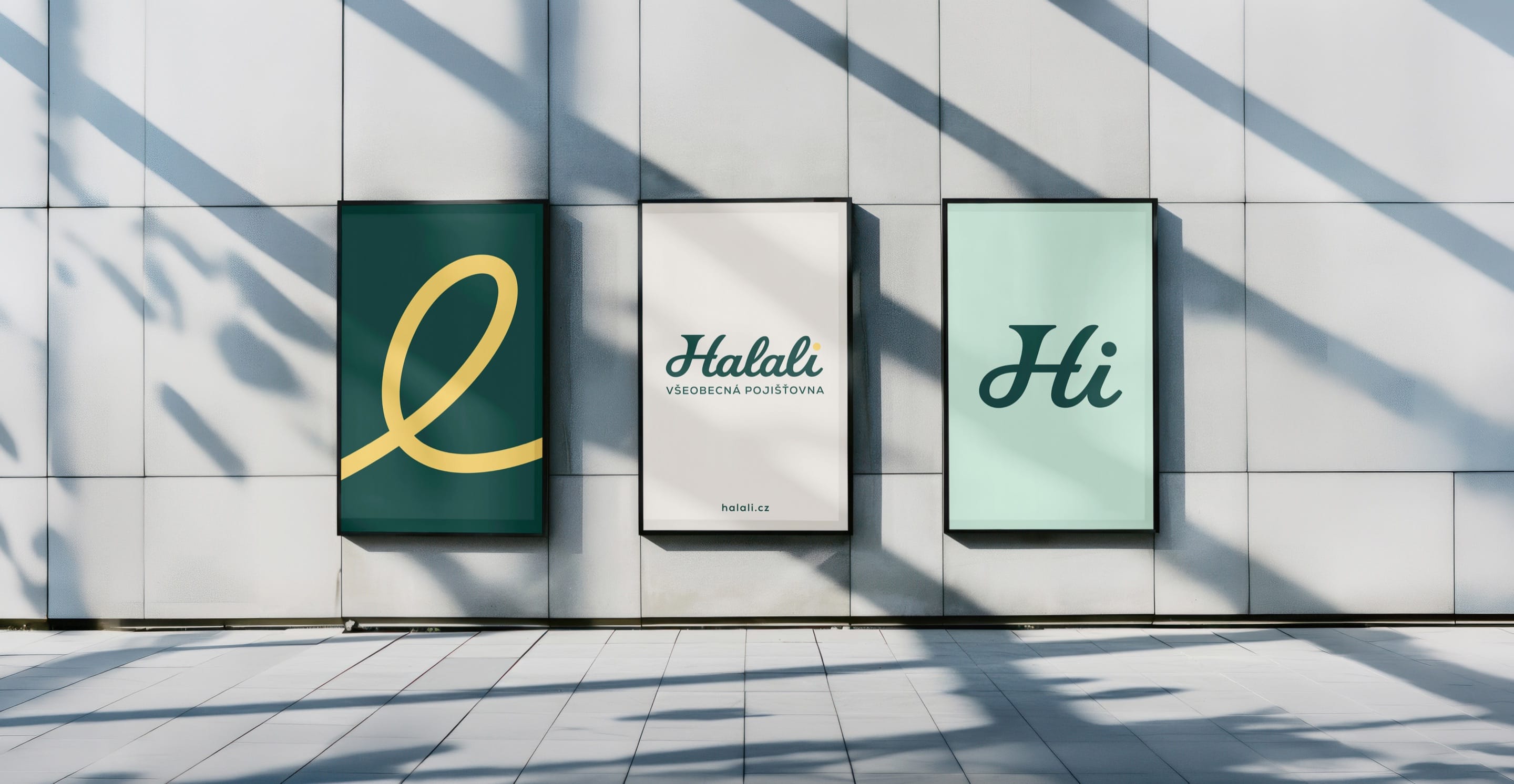
What stayed. What existing customers already trusted. The new graphics are drawn from the old logo's own script, so existing customers still recognise the company. The Hi monogram and the letter loops that run through the layouts come from the same handwriting.
What changed. The promise became plain and public: "What you see is what you get. Insurance you can actually understand." On the mobile site it comes before any product, so a new customer meets the promise first. The palette is built on Forest Teal, Light Mint and Warm Sunset, and the brand system reaches down to one set of icons with the same stroke.
What the identity leaves to the campaign. Humour. The identity stays calm and serious about insurance, and the campaign carries the jokes, such as the billboard line "a good partner won't leave you in trouble". That lets the brand be human without being flippant about what it sells.
Who it shows. The homepage puts hunters and families side by side, so old and new customers both see themselves.
The identity is now applied across the campaign and outdoor, the website design, stationery and merchandise.
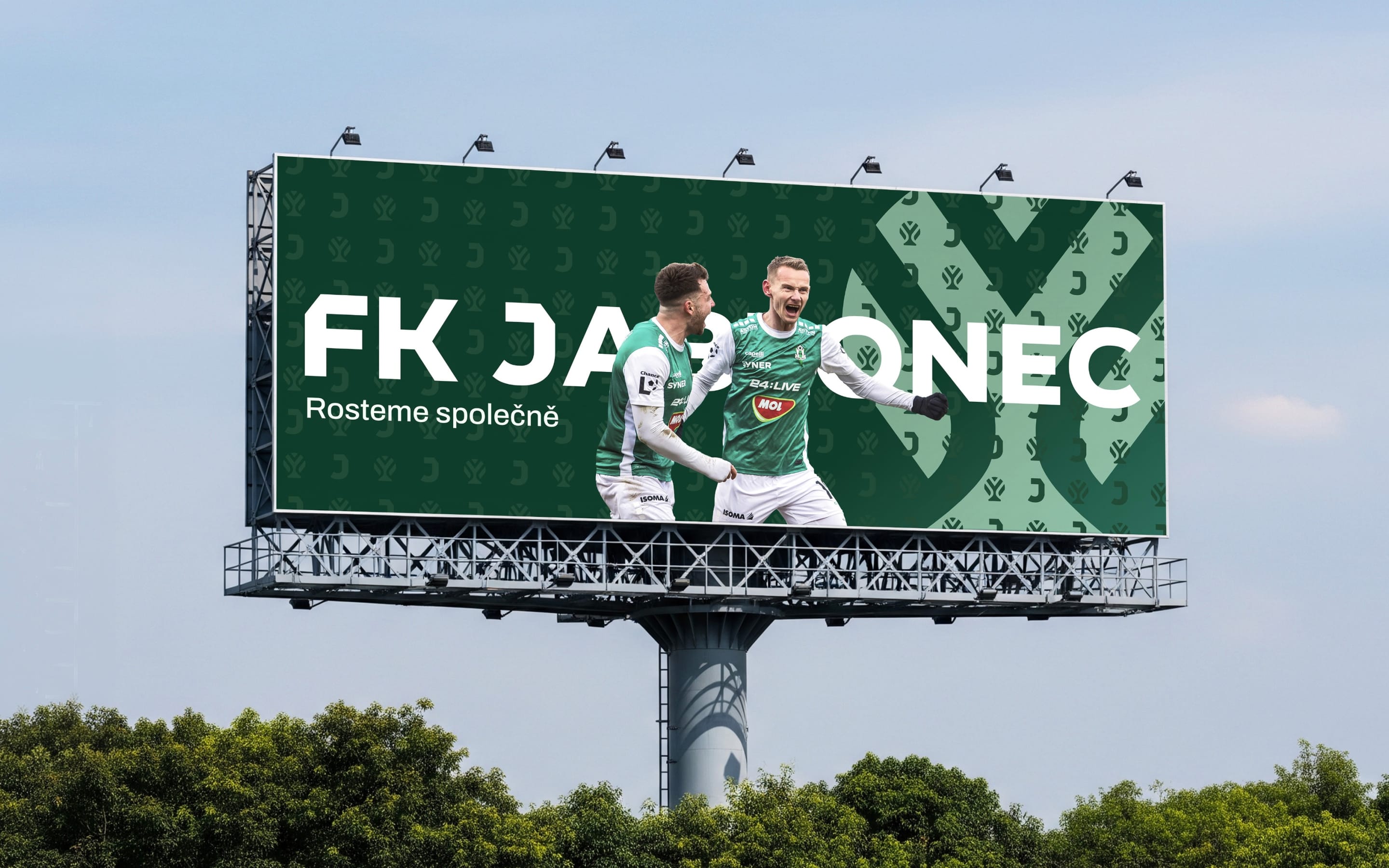
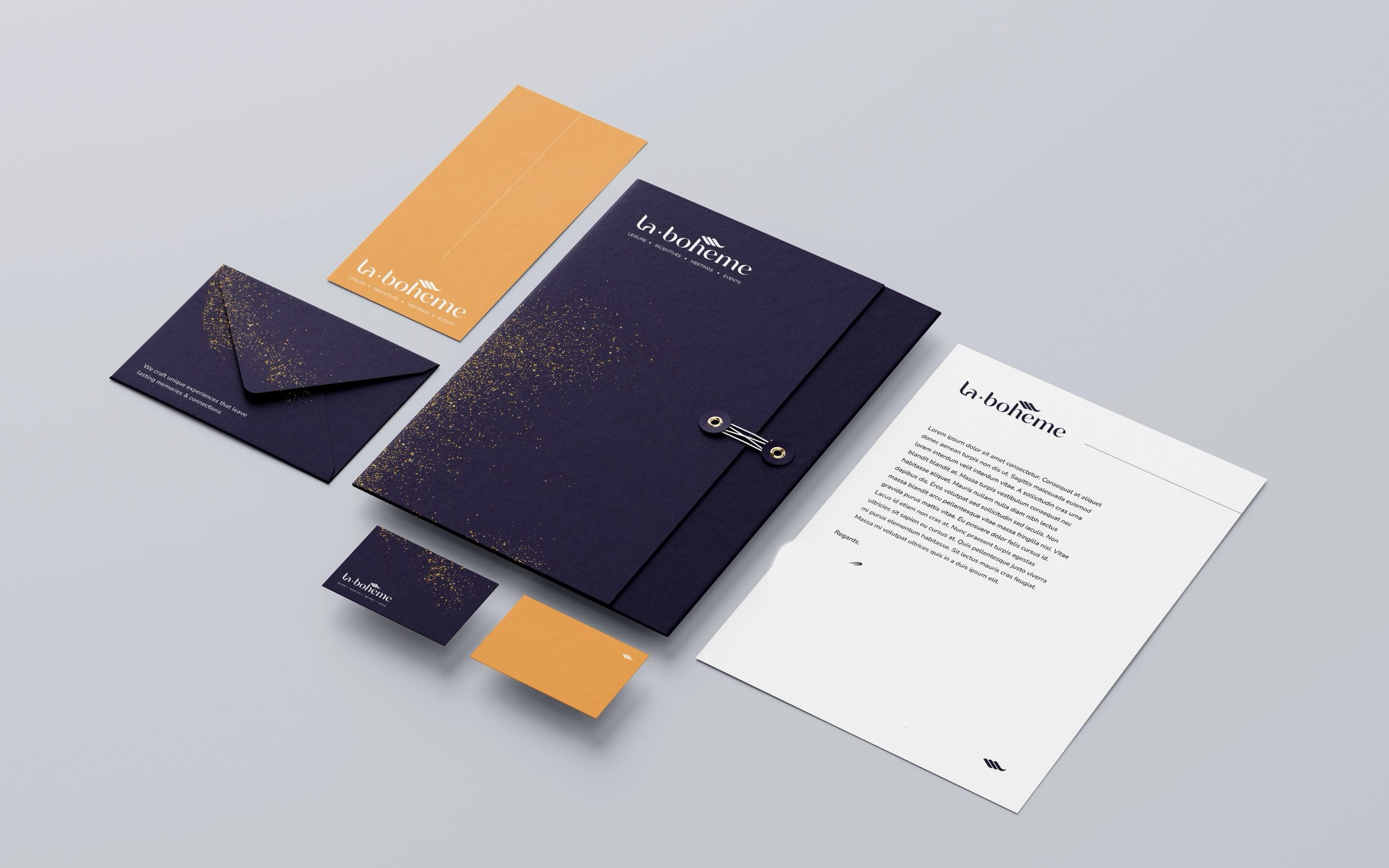
The same principle shaped two other projects of ours. FK Jablonec's new symbol builds on the crest supporters already know: the apple tree returns, and the round crown recalls the crest. La-Bohème had gone fifteen years without a refresh and needed to become playful without losing the sophistication its high-end travel depends on.
What to do Monday
- Ask five long-standing customers what they would miss if your brand changed tomorrow. Write down their words.
- List every brand element (name, mark, colour, typeface, phrases, tone) and sort each into keep, change or drop.
- For each "keep", write one sentence on why it earns trust.
- For each "change", write who it is for and what they need to feel.
- Brief the designers with the keep list first.
A brand that moves without losing its customers is a matter of judgment. It is what our Branding & Strategy work is built on.
Where this leadsBranding & Strategy
Tools for better decisions
AI Opportunity Scorecard
Ten questions about one task. You see the verdict, the best mode and the human role straight away.
Run the scorecardAI Product Quality Canvas
Eight boxes that pin down what an AI feature should do, how it fails and how you will know it works.
Open the canvas