
MotionshiftUnlocking AI-powered video & animation.
At a glance
- Design thinking
- Serve the marketer on a deadline first. Every video starts from a template, so nobody has to animate by hand.
- Problem
- After Effects could take a year to master, and a 60-second professional video could cost $8,000.
- Approach
- Continuous interviews and an assumption map set the direction. Beta testers then worked through concrete ad briefs in Maze.
- Outcome
- A 2,500+ waitlist in three months, 50 beta users and $125K pre-seed. It was paused when co-founders left and funds ran out.
- Role
- Lucie as co-founder and CEO, covering product, design and marketing, everything but engineering, for fifteen months. The team grew from three to six.
- What we designed
- User research
- Product strategy
- AI product design
- Usability testing
- Visual identity
- Pitch deck
- Duration
- 1 year 3 months
- Platforms
- AI video editor (web app)
- Website and beta waitlist
- Brand and social media
- Pitch deck
Everyone wanted motion. Nobody had a year to learn After Effects.
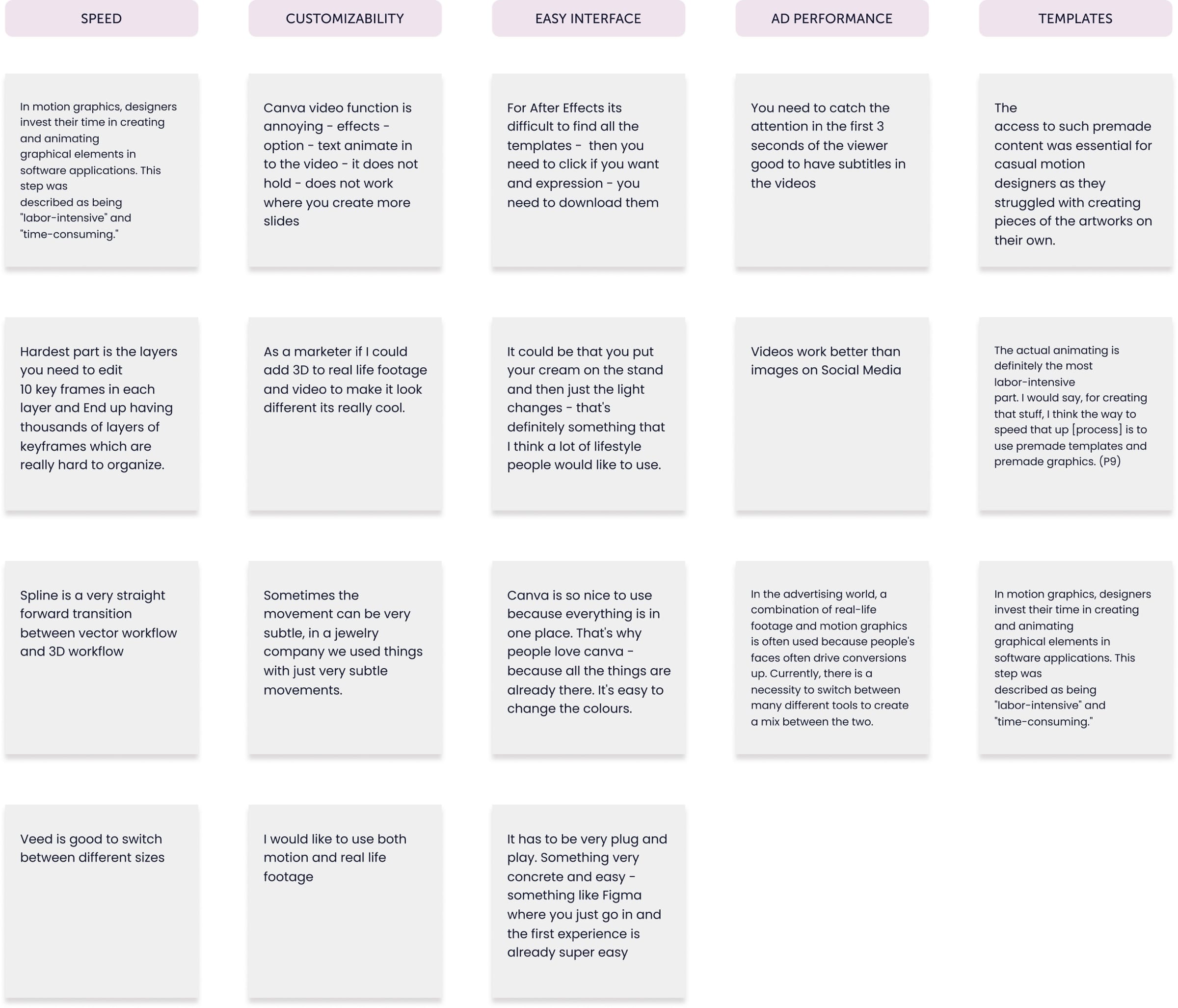
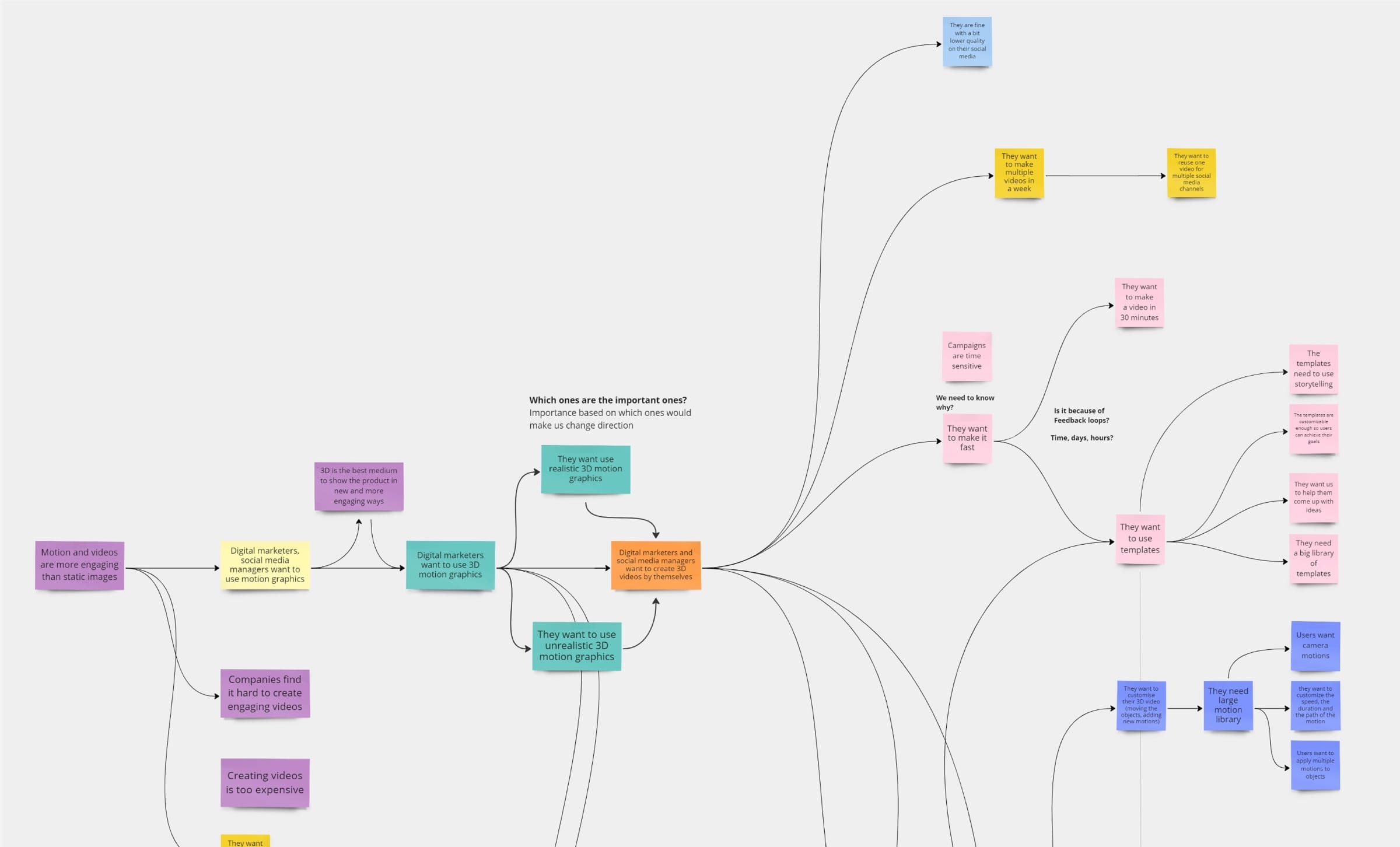
Three findings that set the product’s direction.
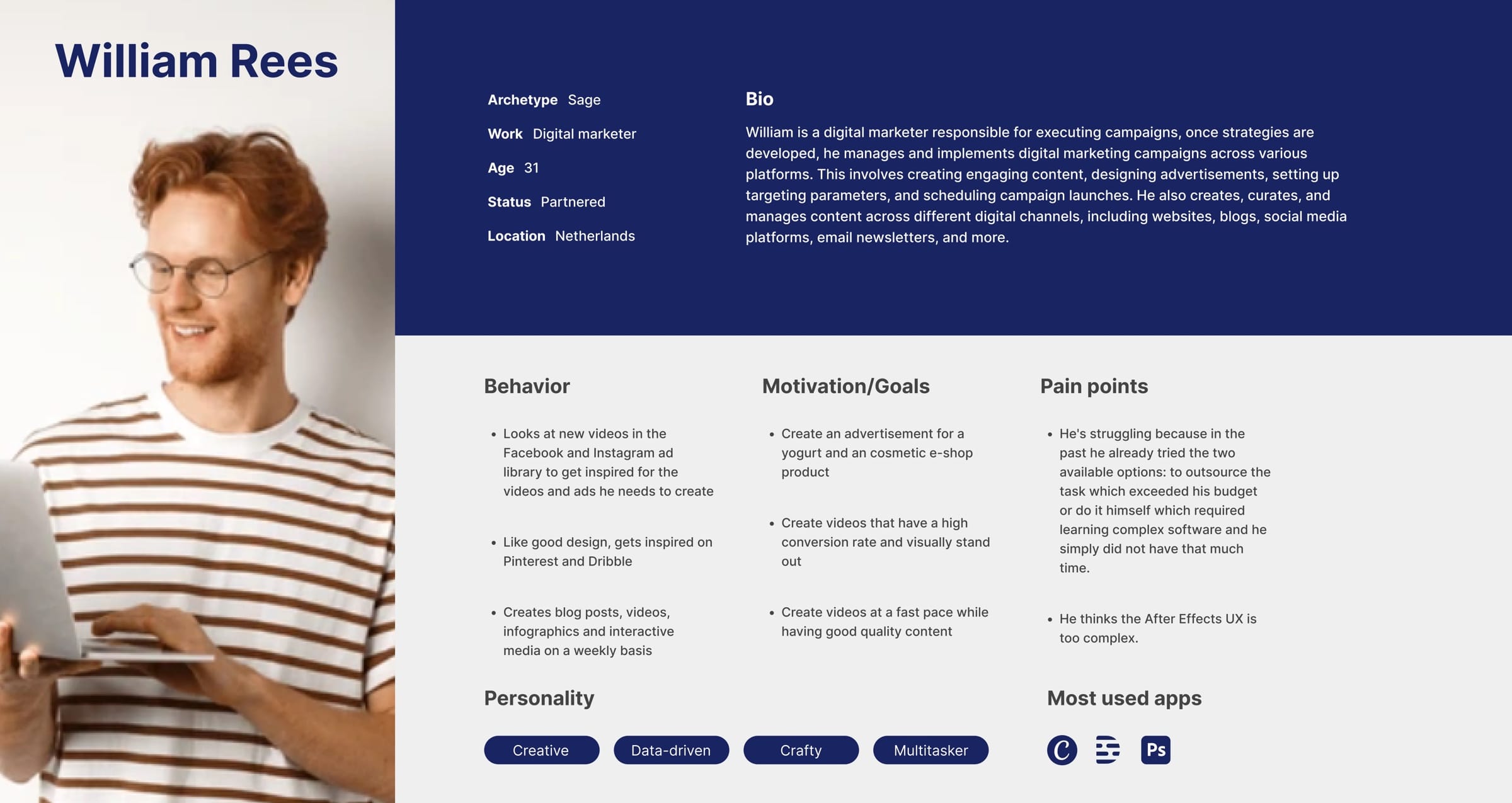
Ongoing interviews · assumption map · customer segmentation · primary persona
Animating by hand was the bottleneck.
Motion had to come ready-made, from templates and a motion library.
Evidence
After Effects could take a year to master; interviewees called keyframing labour-intensive.
Non-designers relied on premade templates.
Every video would start from a template.
Evidence
Casual creators struggled to build artwork themselves; premade content was how they got started.
Marketers needed many variations, fast.
Swapping content and resizing for each platform became core editor actions.
Evidence
They struggled to test video variations quickly, and noted an ad must catch attention in its first three seconds.
The decision
Build first for the marketer on a deadline, not the motion designer.
Designers looked like the natural first users, but their expectations of what the tool could do were very high.
Marketers had tried outsourcing, which went over budget, and After Effects, which was too slow to learn. Serving them fitted Motionshift’s aim of making motion and 3D video accessible.
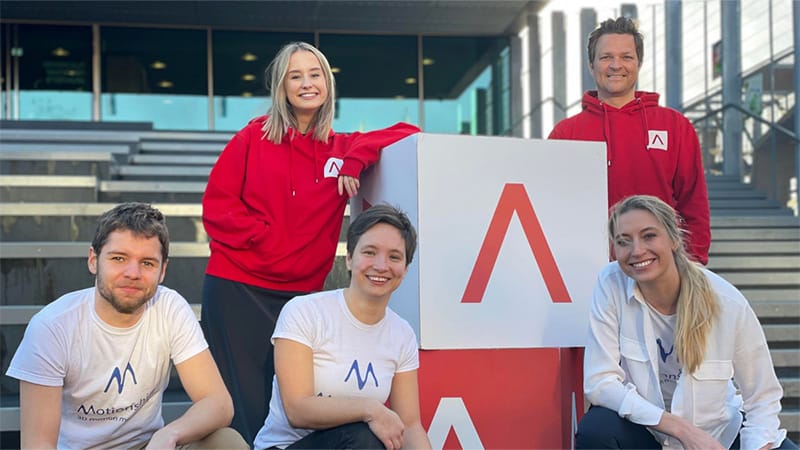
Backed by Antler to build the product faster.
Antler is a global early-stage investor. It put in the $125K pre-seed round and ran the workshops the team joined. The money went on building faster and getting to market sooner.
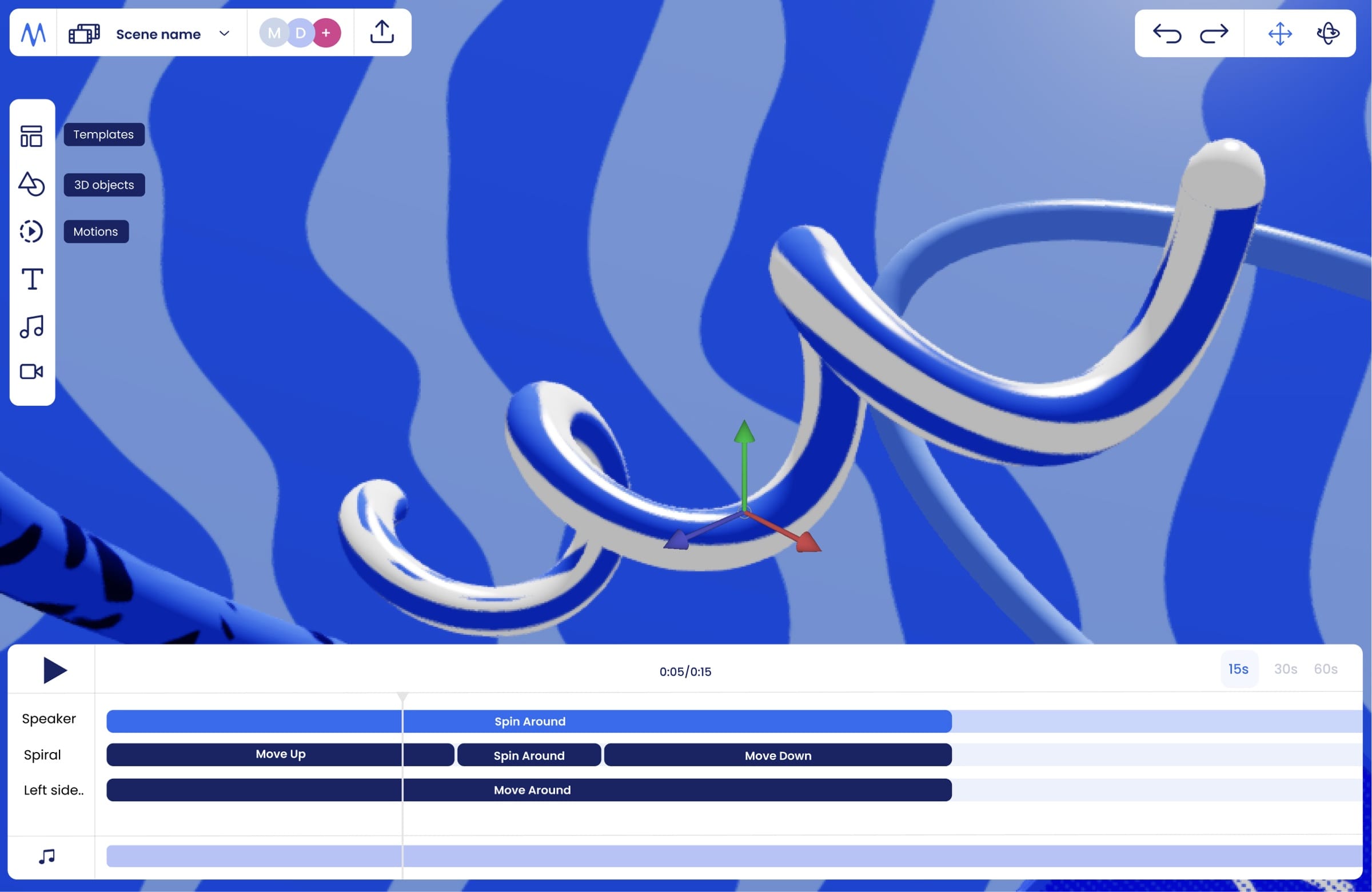
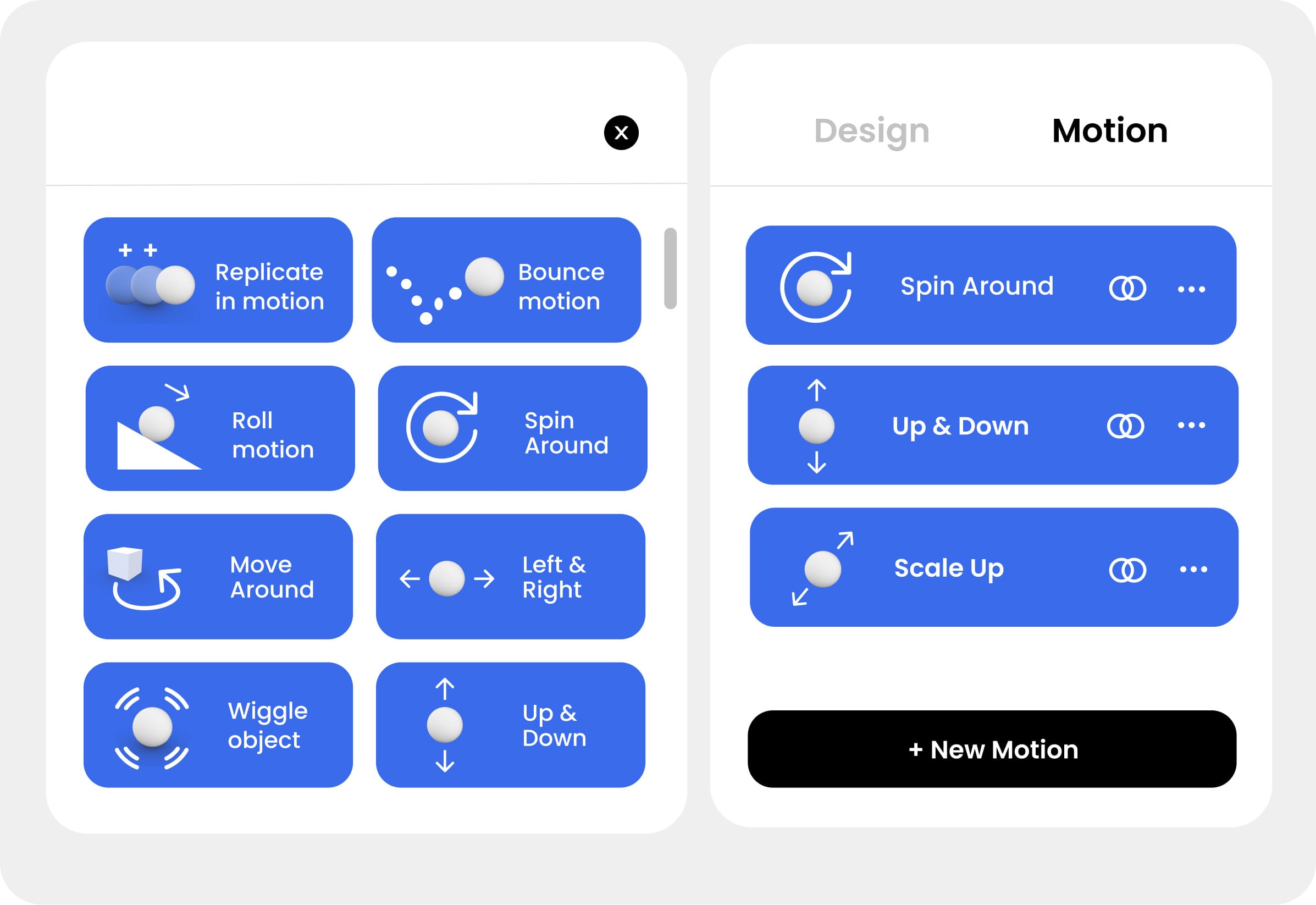
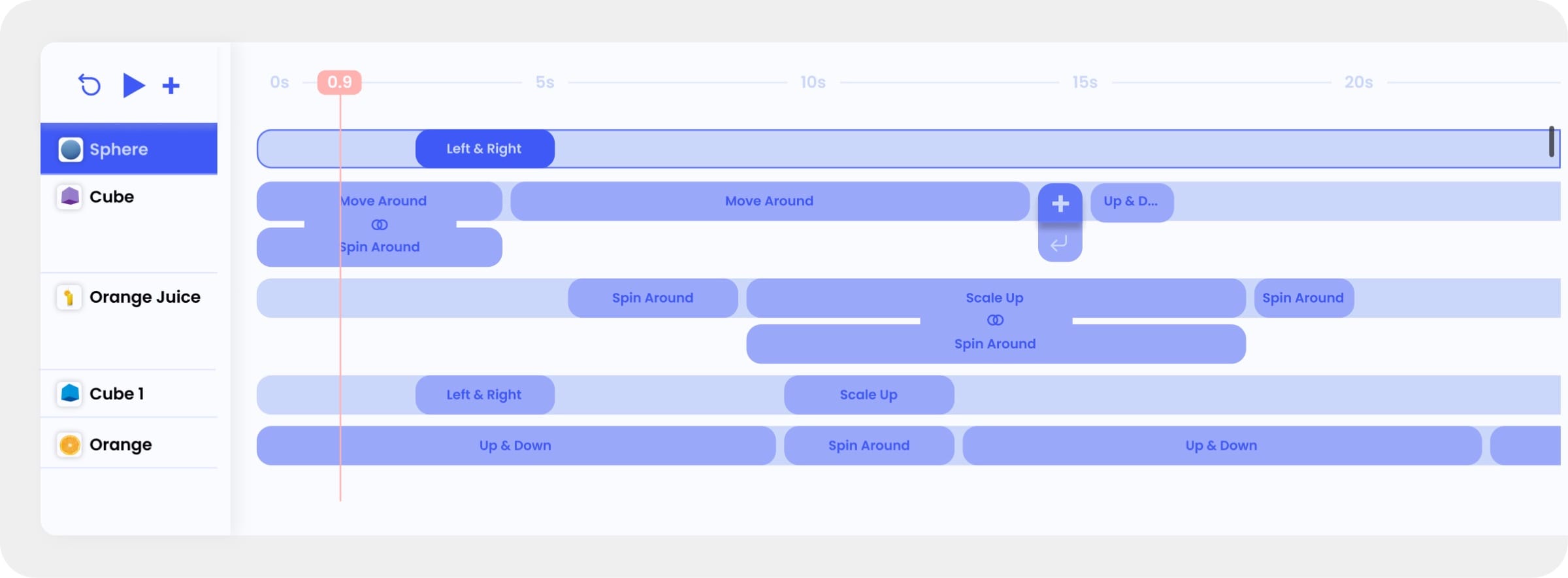
The first version worked like Canva for 3D motion design.
Users dragged in 3D objects, applied preset motions drawn as custom pictograms, and arranged a scene. Then testers asked for multiple cameras and complex animations, and the editor kept growing.
The pivot
Drop the full timeline. Let text instructions and AI do the animating.
Users wanted complex animations, and that meant a flexible timeline. Two developers and Lucie could not build one.
When AI tools arrived, the editor kept only the essentials, and a timeline came back for an ad’s key sections alone.
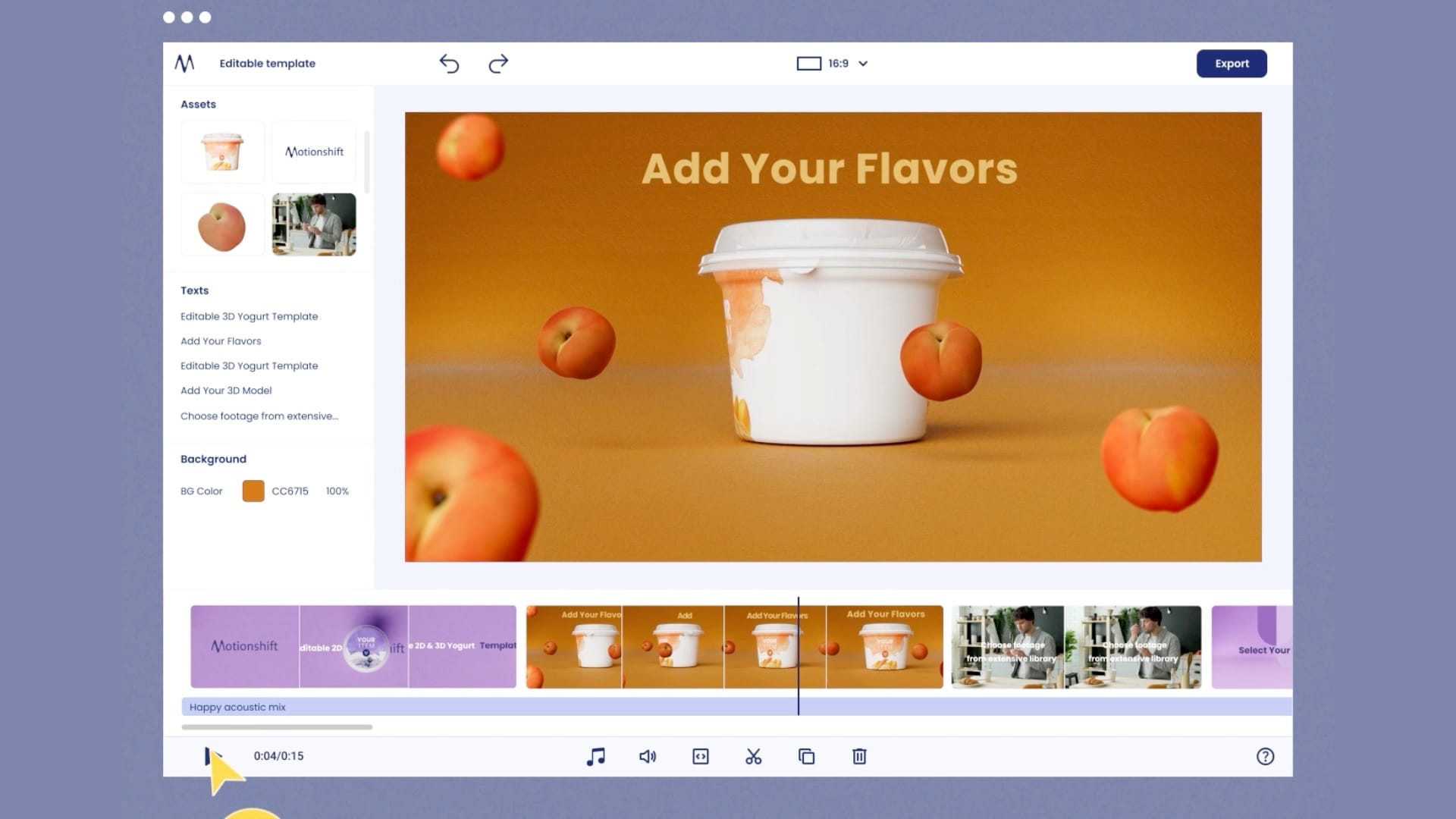
The AI flow, prototyped as a film before it was coded.
The tool wasn’t coded yet, so the flow was storyboarded in After Effects. It turns a video into a template, then swaps the 3D model, colour and footage. That tested the idea before it existed.
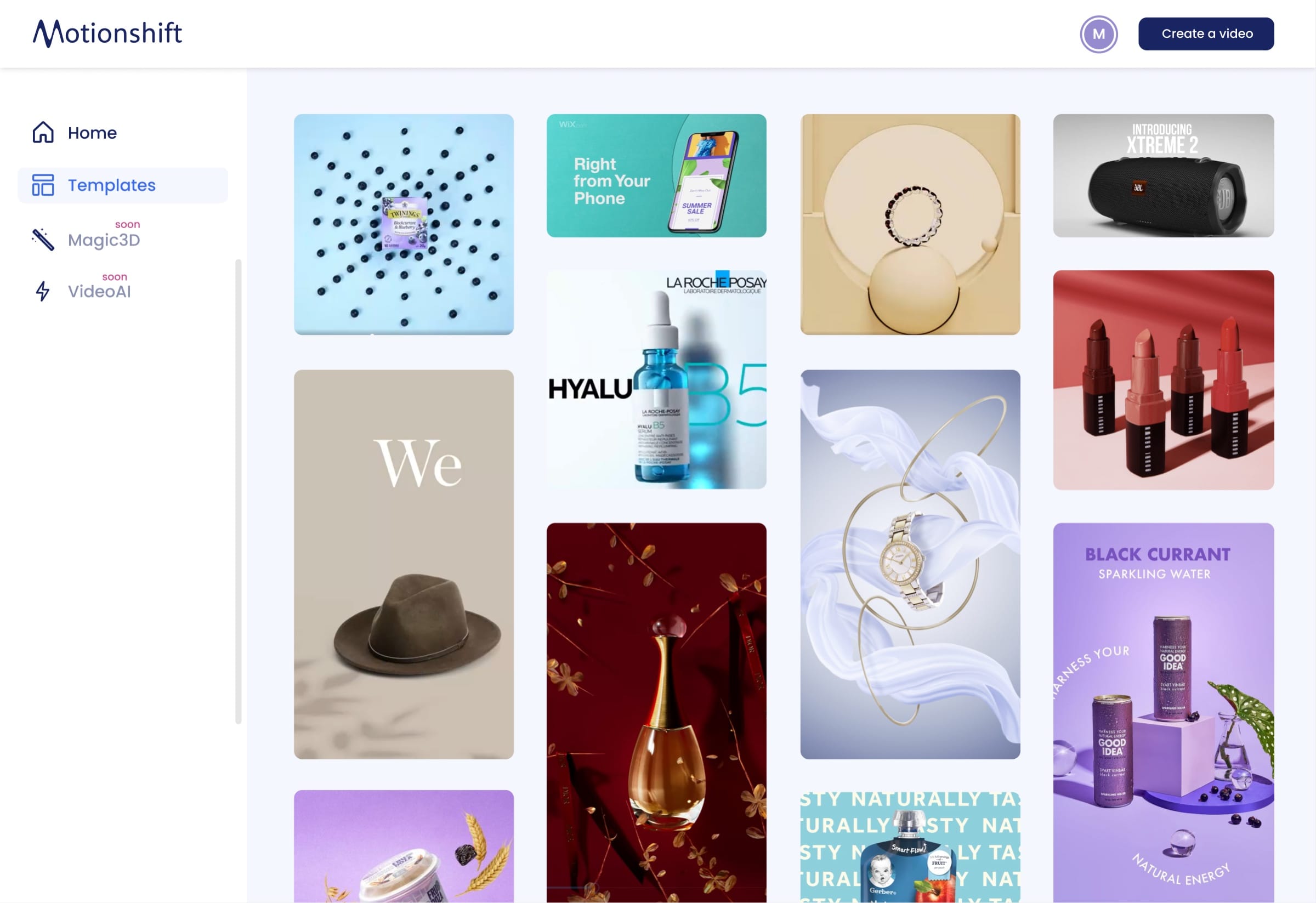
The template library became the starting point, laid out like Pinterest.
The persona went to Pinterest for inspiration, so the library borrowed its grid. Picking a template opened a stripped-back editor where you change the text, resize for a platform and export.
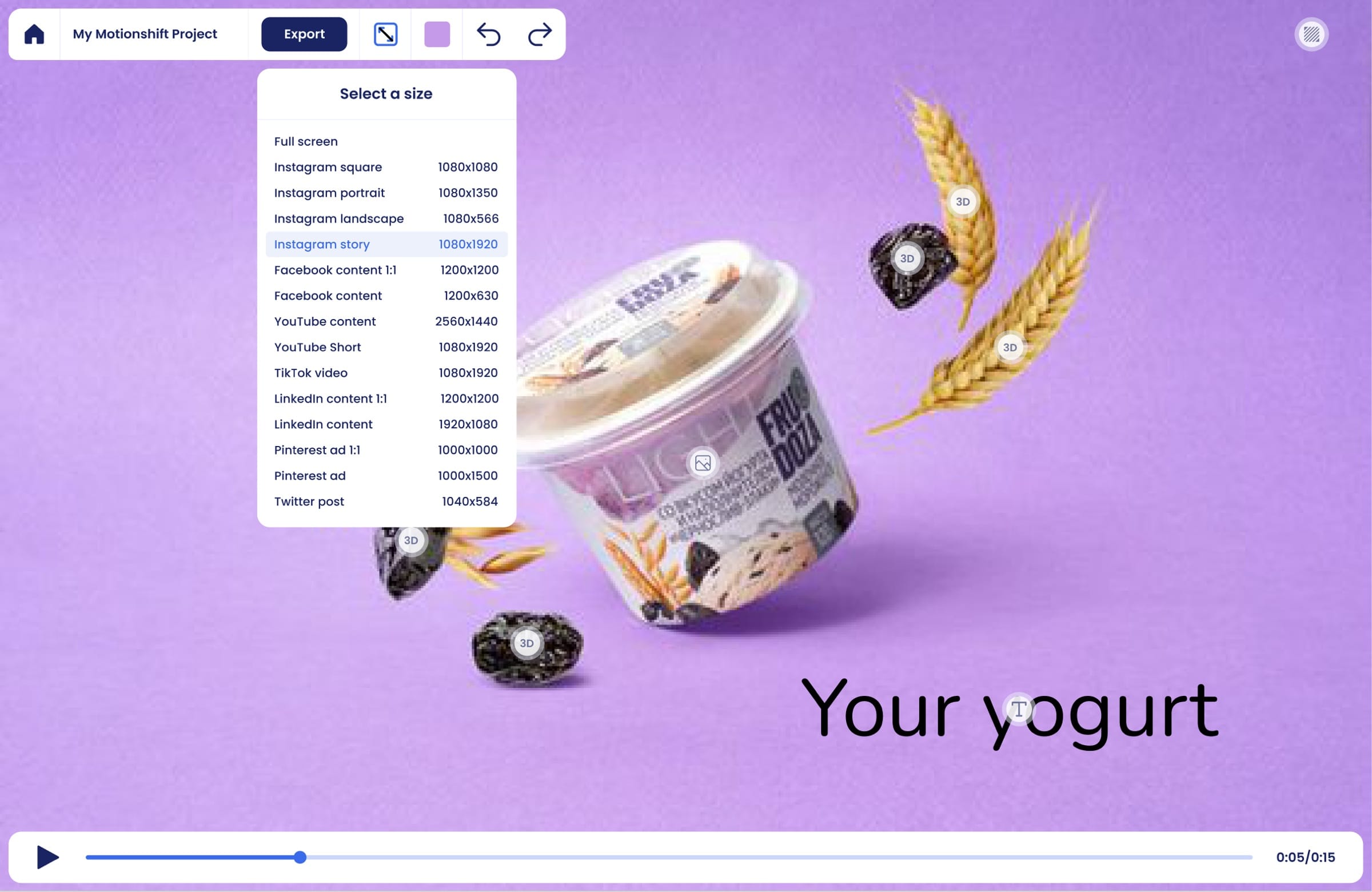
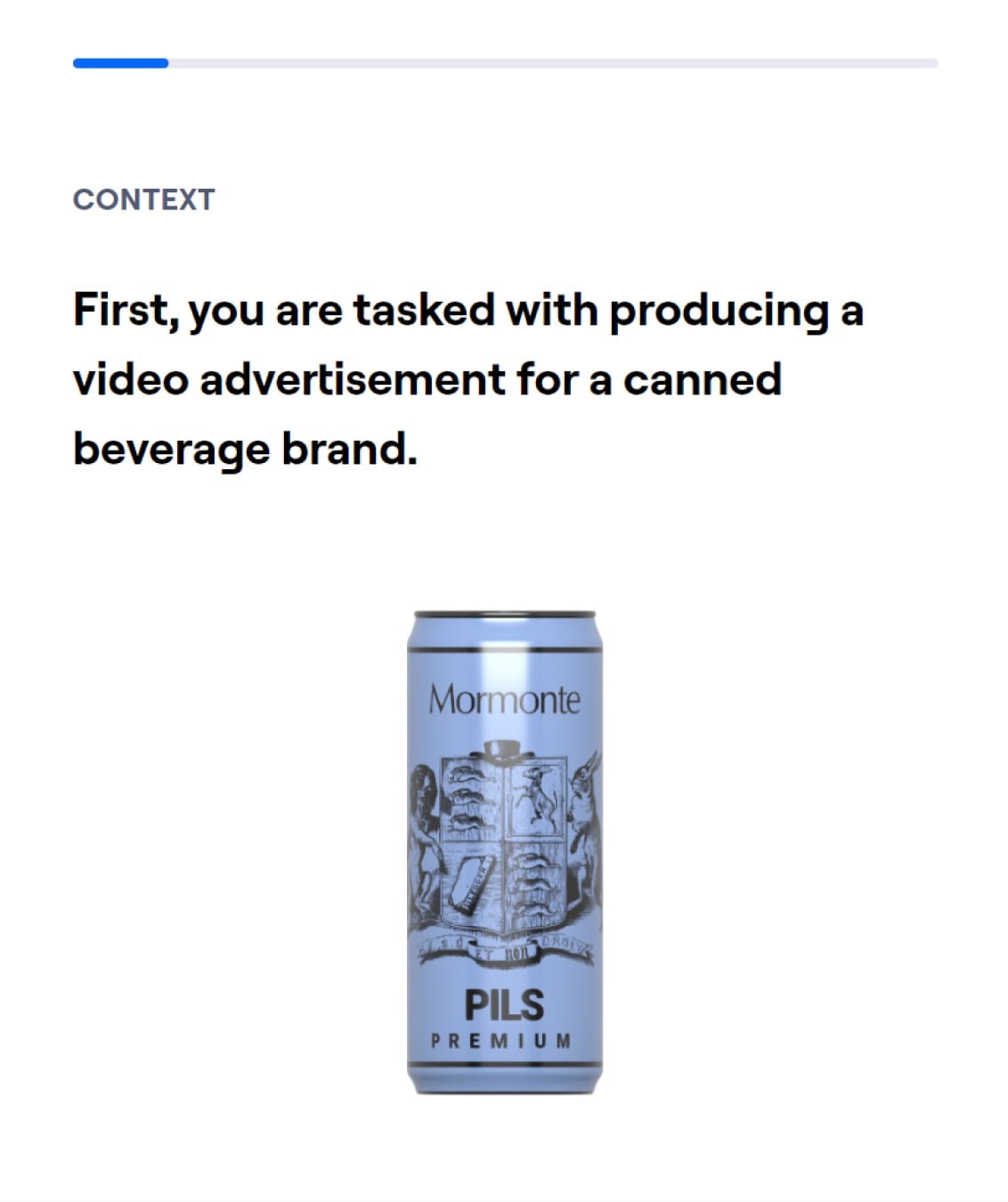
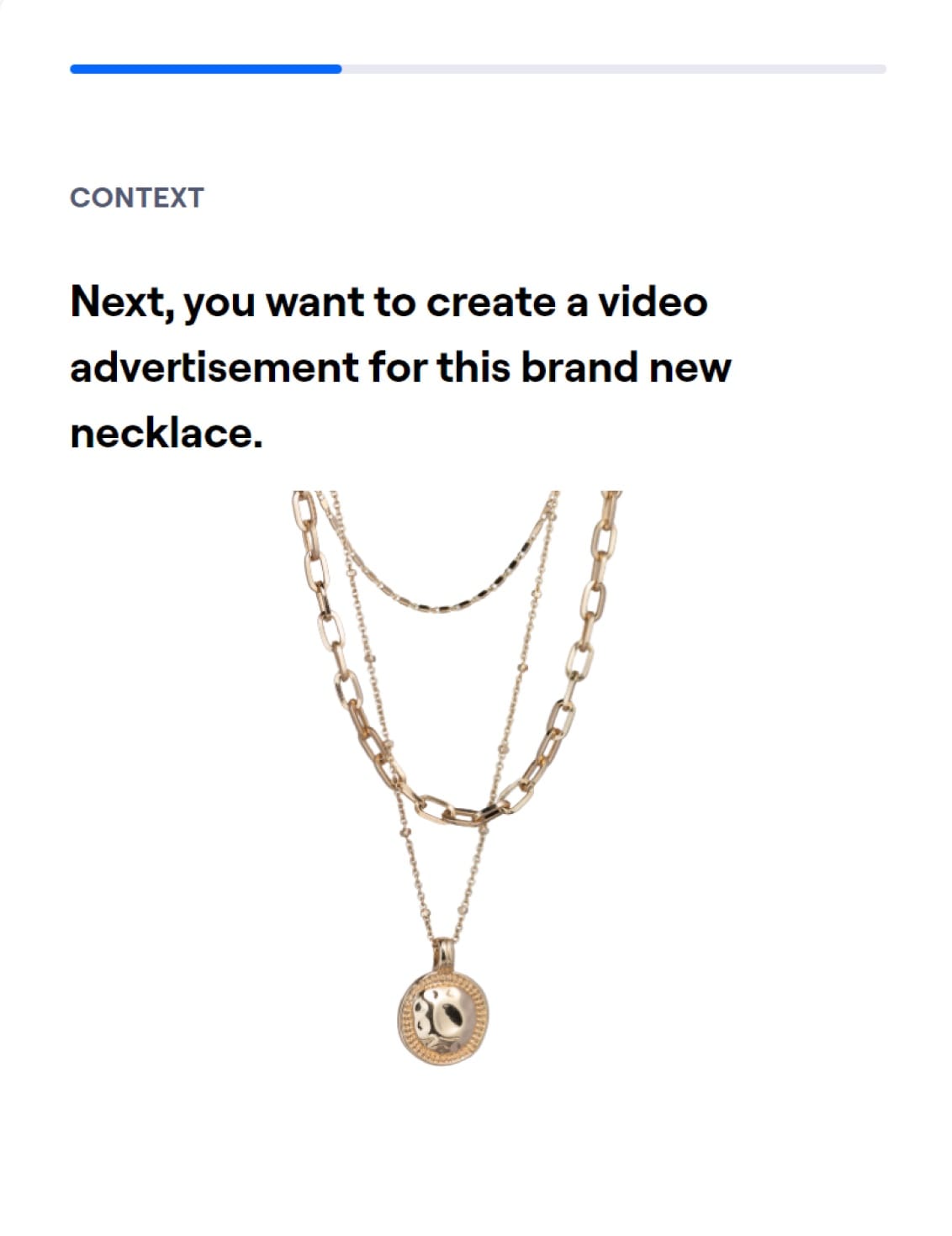
Beta testers worked through concrete ad briefs, from a drinks can to a necklace.
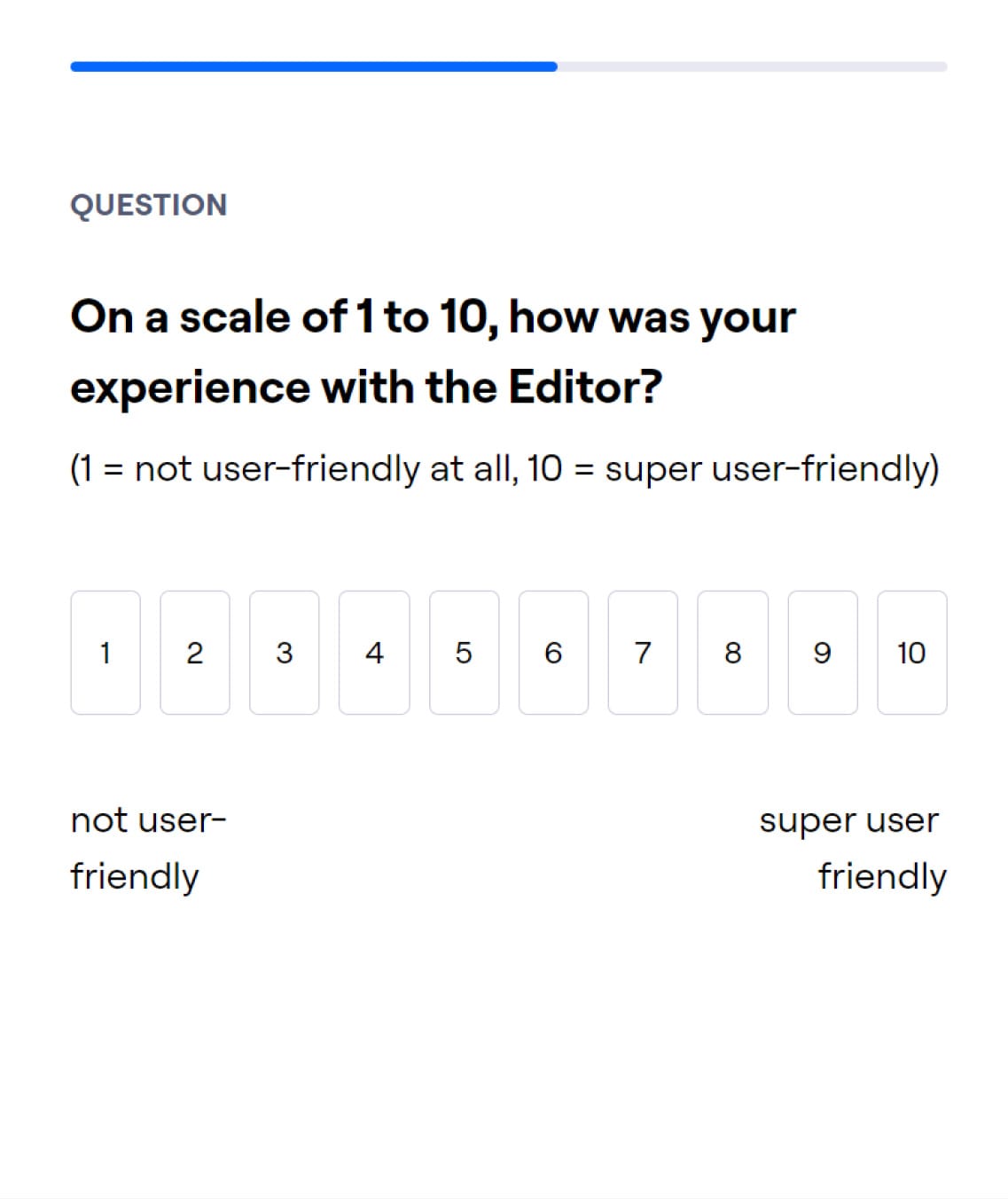
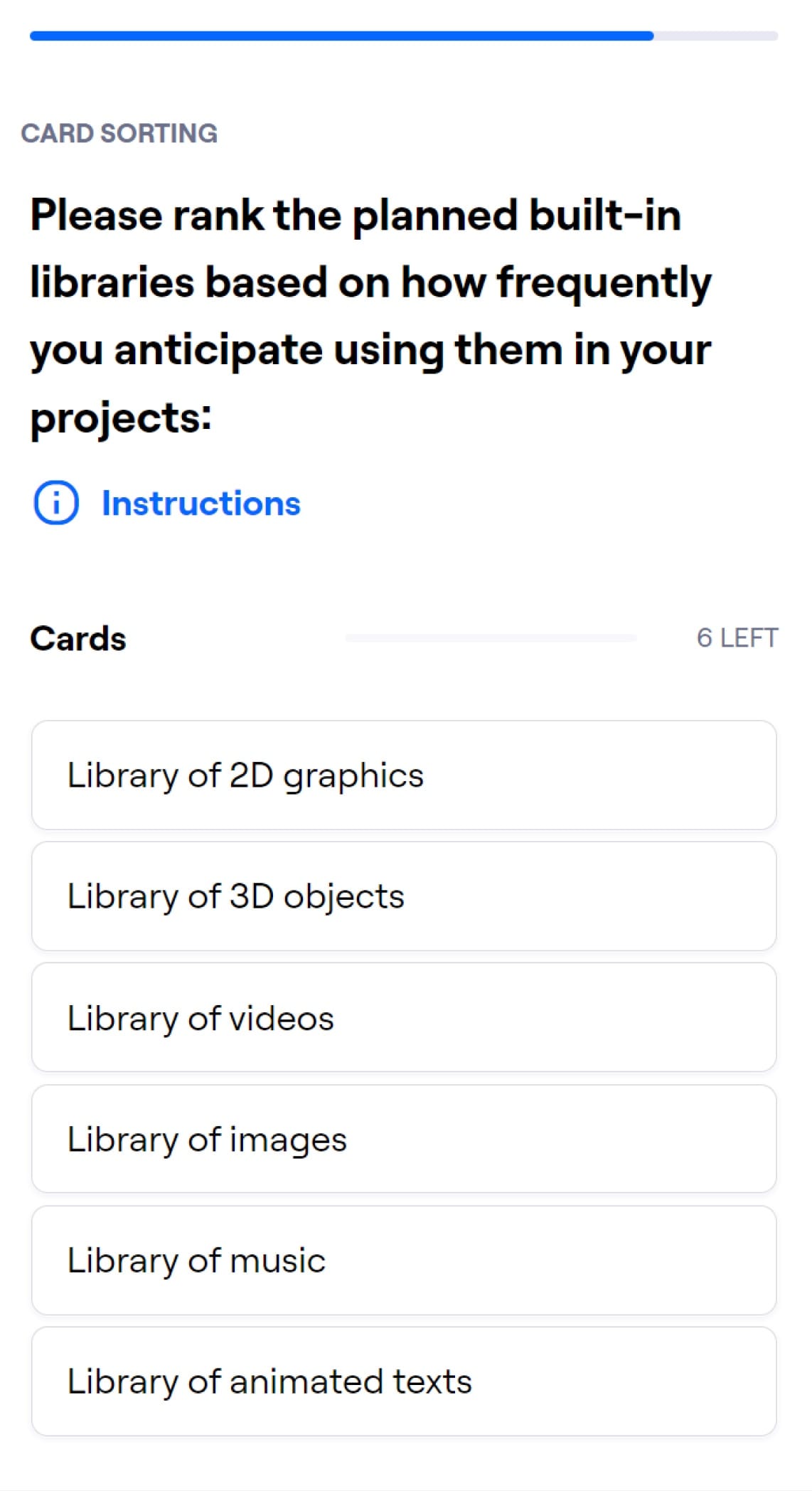
Keeping testers engaged was the hardest part, so every live Maze test gave them a real ad to make. A rating from 1 to 10 and a ranking of the planned libraries closed each session.
Ten adjectives decided the colours.
The moodboard was built on adjectives such as energetic and expressive. Blue carries the optimism and the youthful energy, and pink-violet marks the accents and the creativity.
- Schiava Blue#192462
- Royal Blue#396BEA
- Pink-Purple#BC80F8
- Mā White#F5F7FF
- Habañero Gold#FFD23C
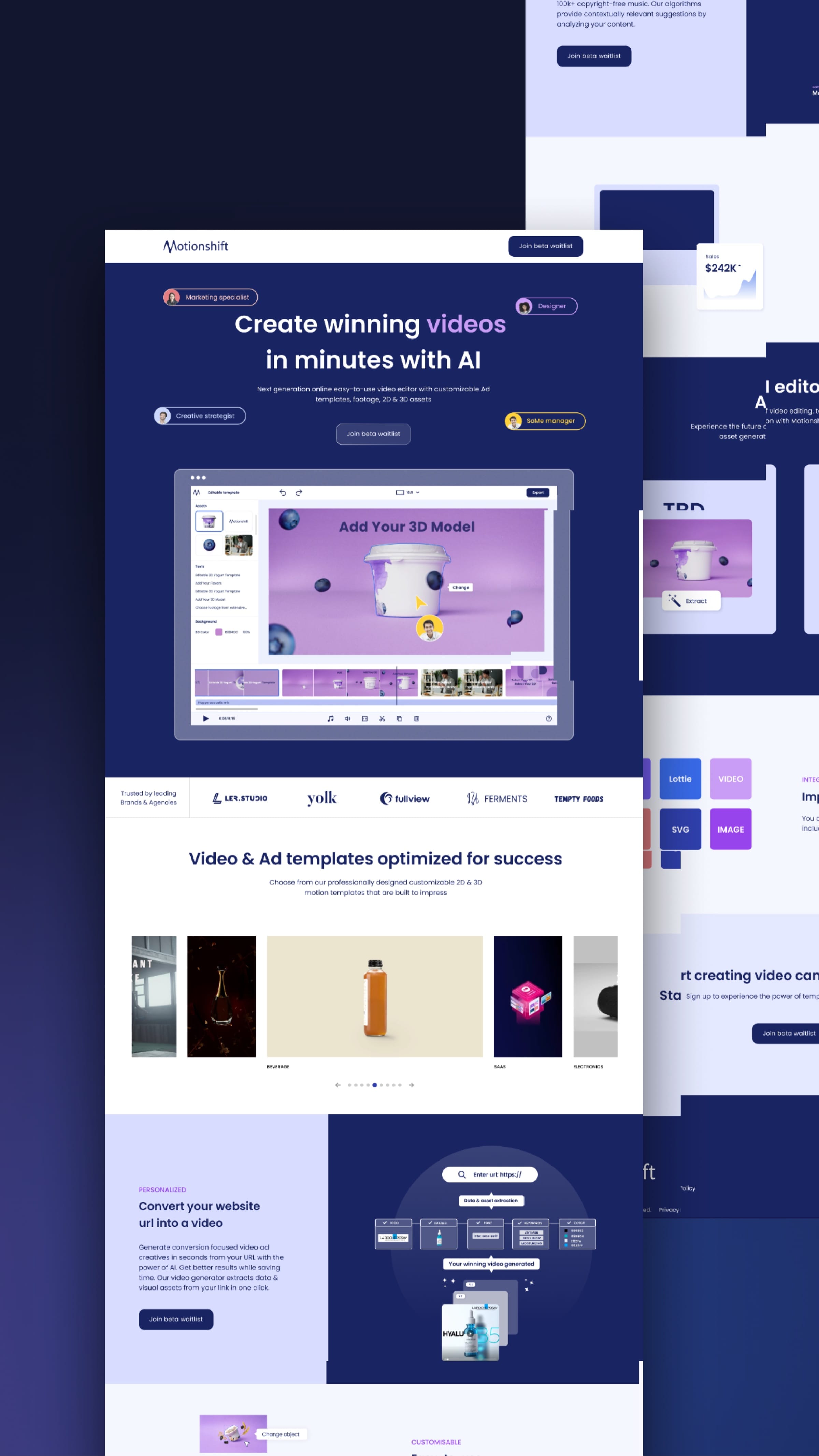
One page to explain a new kind of tool, one button to join the beta.
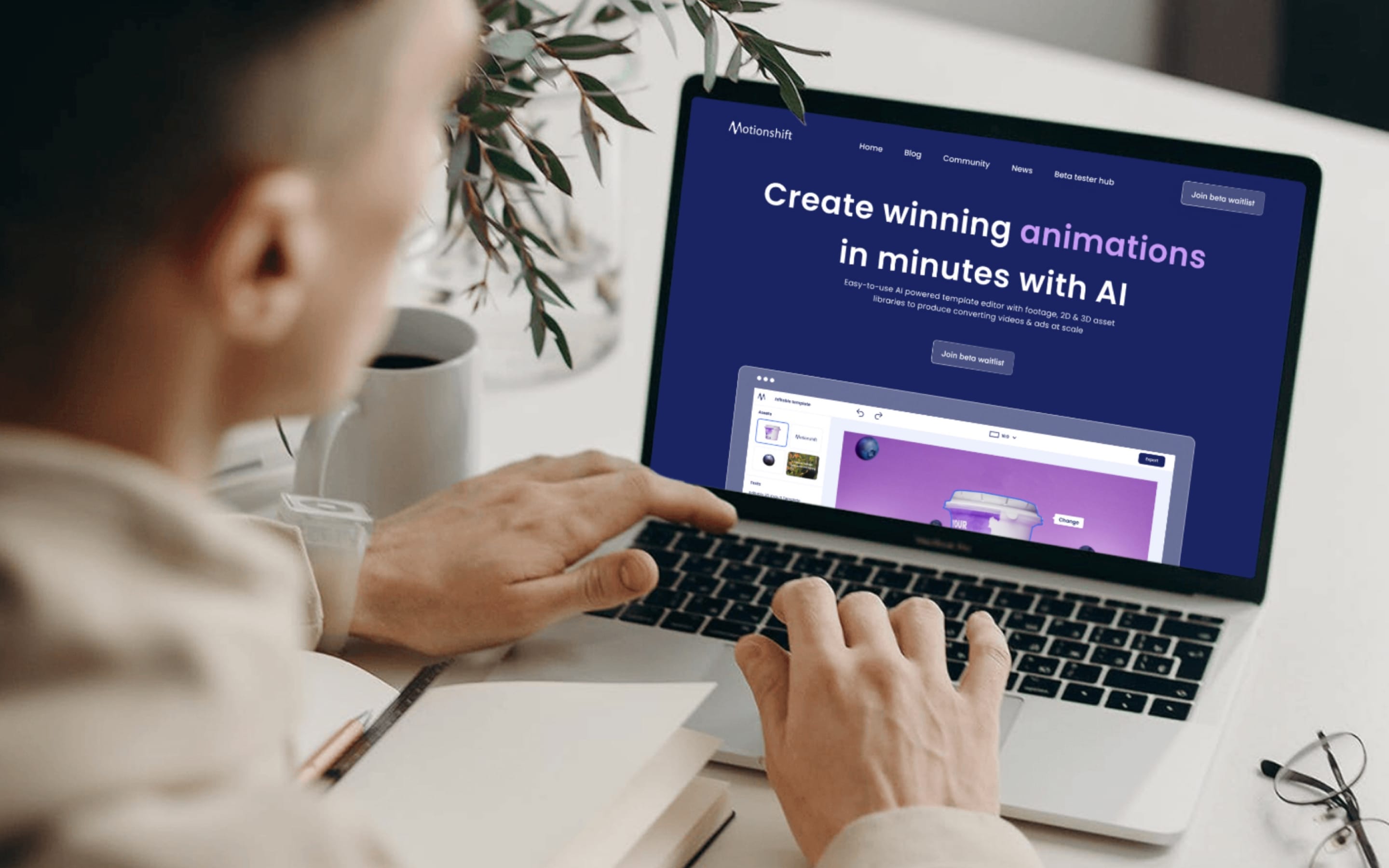
The hero puts the editor preview in the middle and the roles from the research around it. Every call to action goes to one place, the beta waitlist.
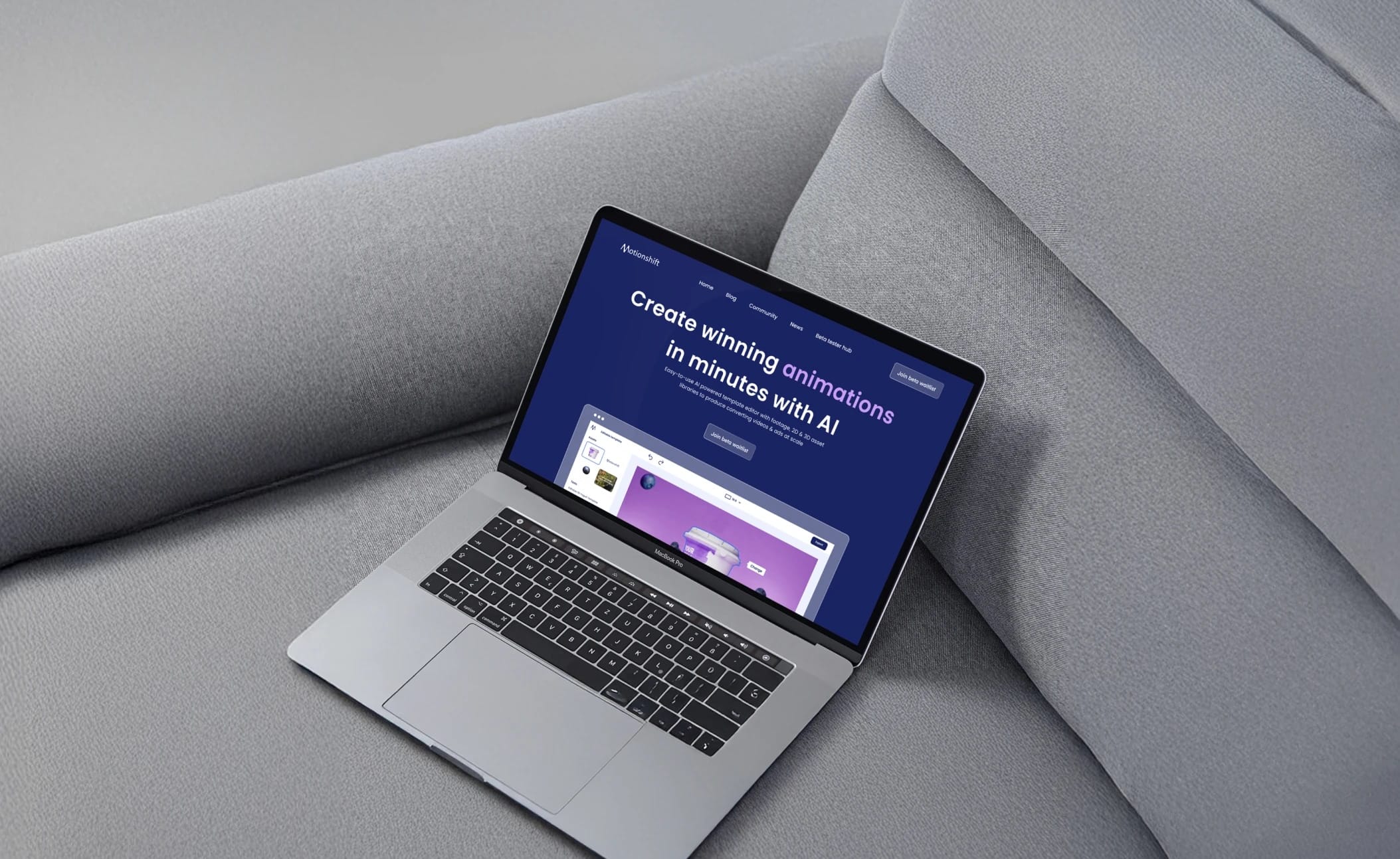
An honest ending
Motionshift was paused when co-founders left and the funds ran out.
It had won places in soft-funding programmes in Denmark and was close to new funding. Fifteen months of it taught Lucie product, strategy, marketing and design at once.
What 15 months built
- 2,500+
- people on the waitlist
- Built in the first 3 months.
- 10
- signed letters of intent
- 6
- pilot projects launched
- 50
- beta users onboarded
- $125K
- pre-seed capital raised
- From Antler.
- 3 → 6
- team members
Lucie’s superpower is her ability to blend product thinking, UX, business, and marketing—rooted in real-world experience of building a startup.
More work
All projects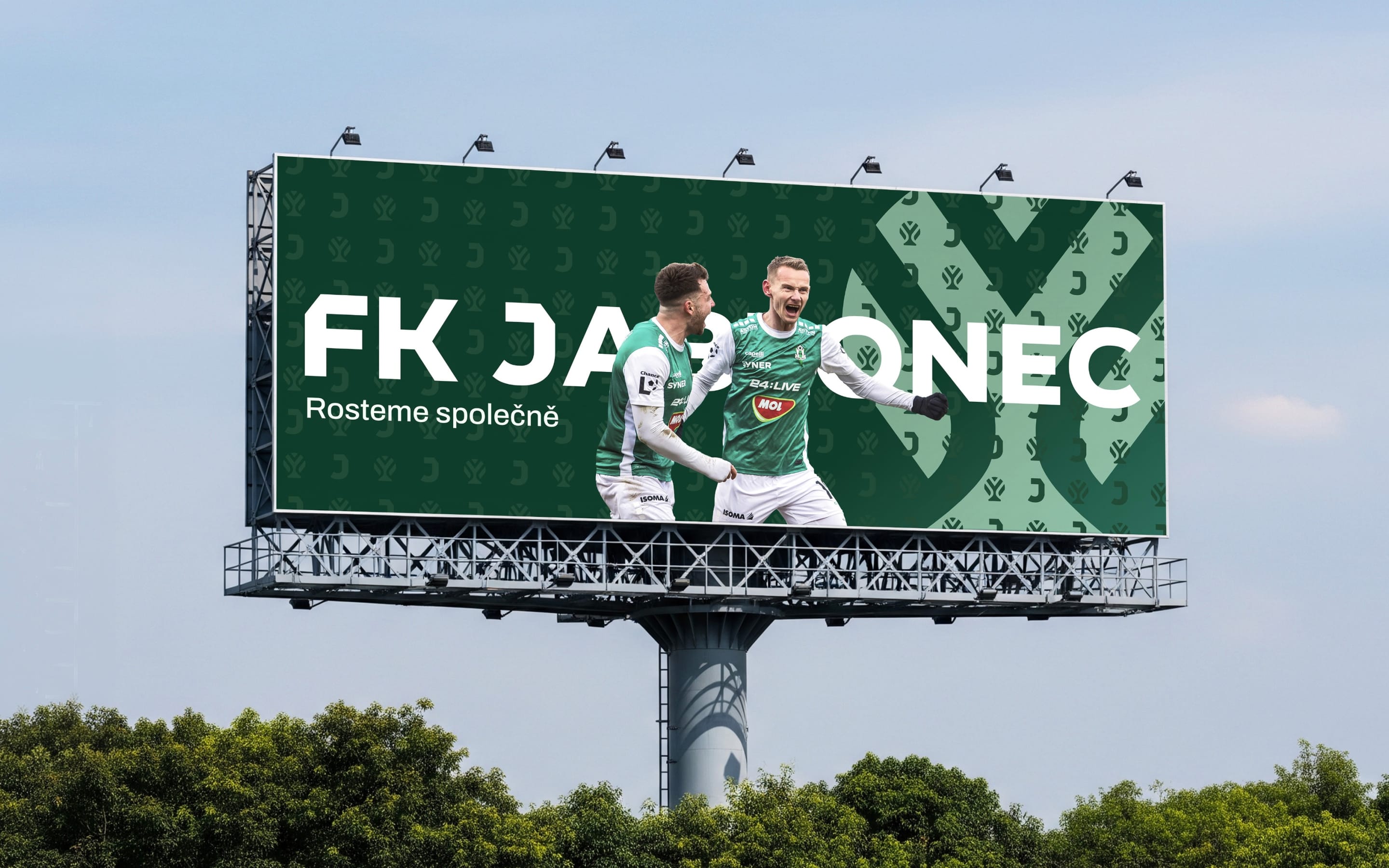 SportsFK JablonecJablonec never falls far from the tree.Branding / Campaign / Website
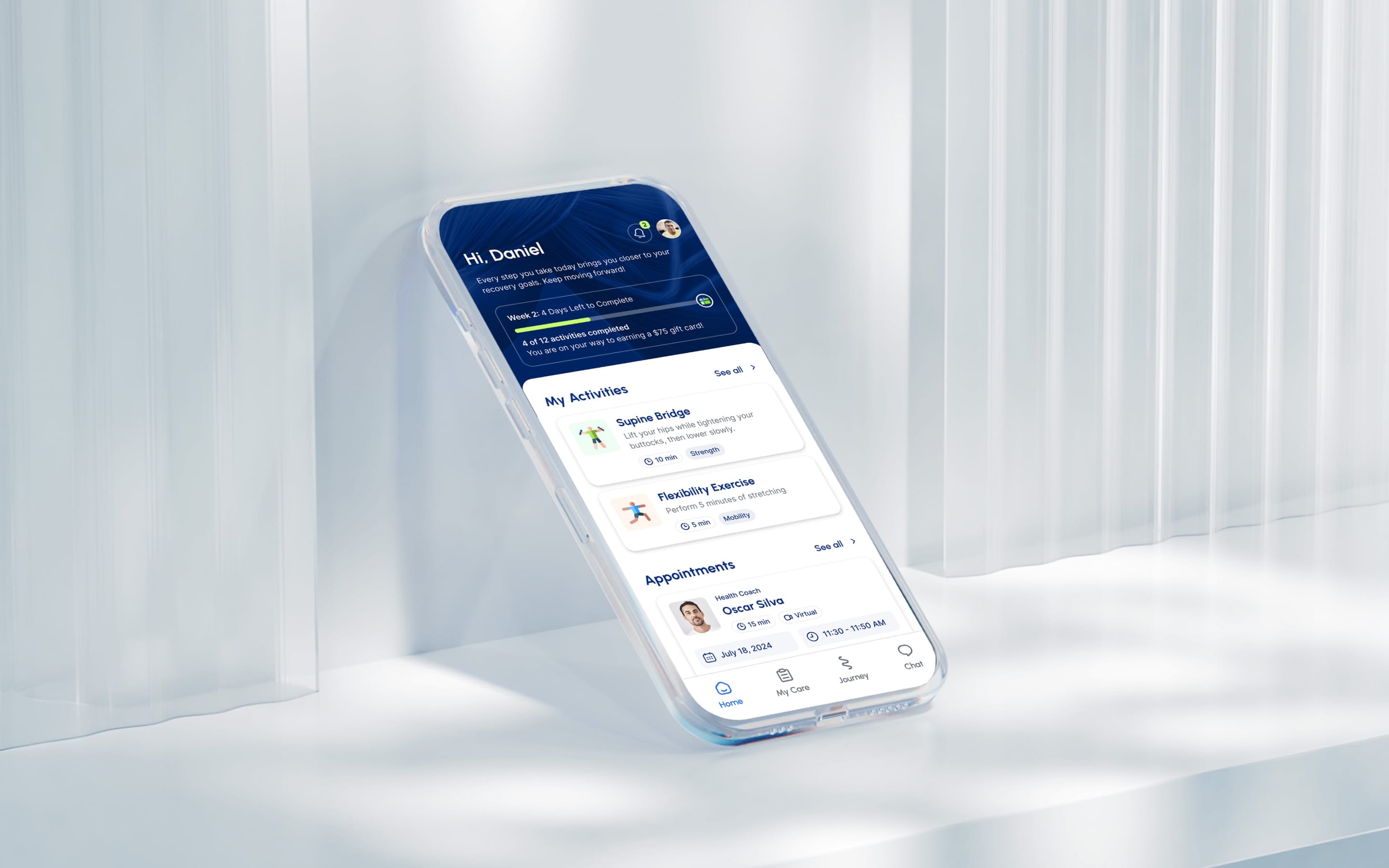 HealthMovidoA physio programme for the days between appointments.Product & Design / App
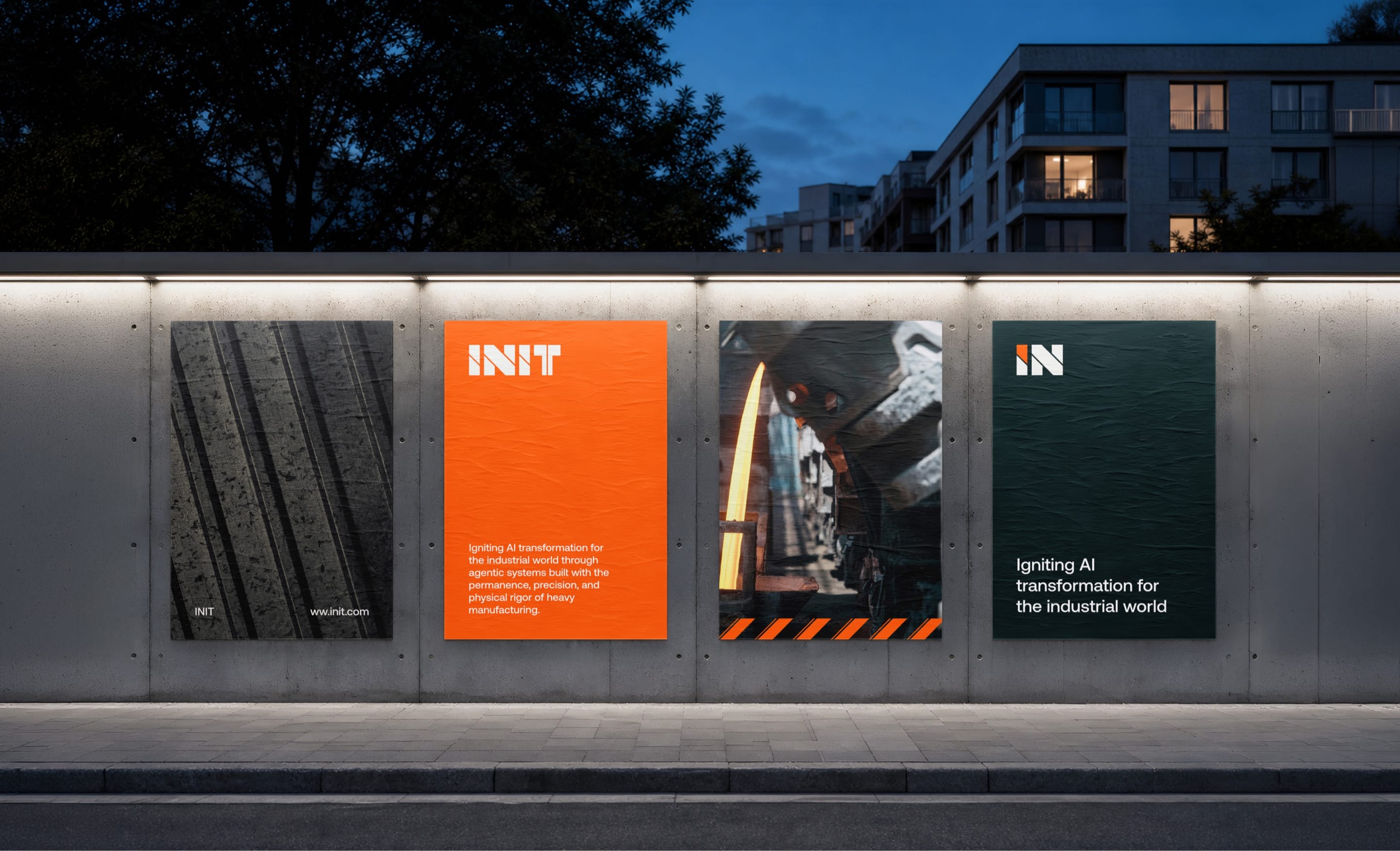 AIINITEngineering intelligence for the industries that build the world.Branding / Website
 Real EstatePenta Real EstateAutomating apartment specification sheets.Engineering / Product & Design
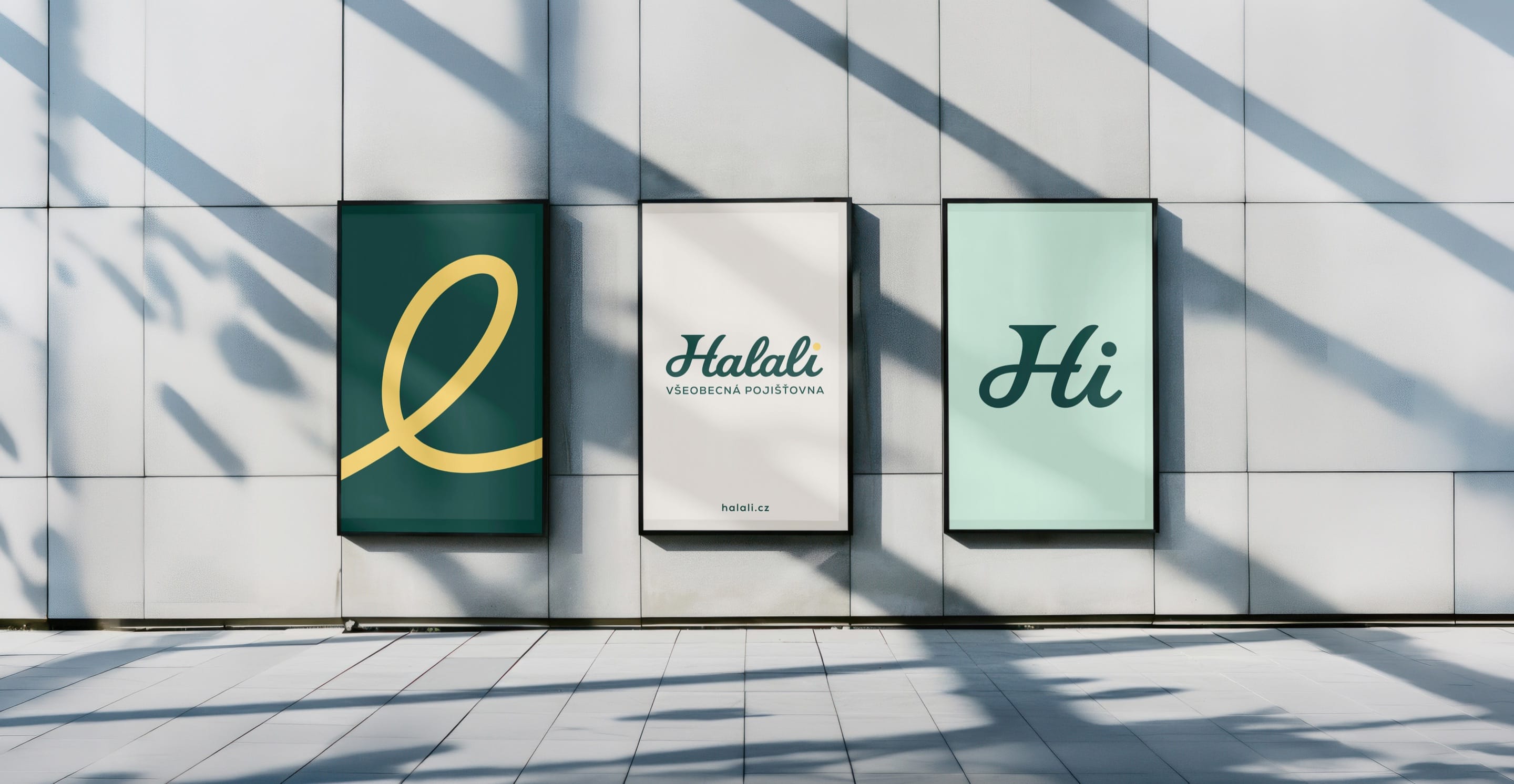 Financial ServicesHalaliEvolution, not revolution. A new identity built on existing trust.Branding / Campaign
 SportsLiga ženStep into the light of the game.Branding / Campaign